

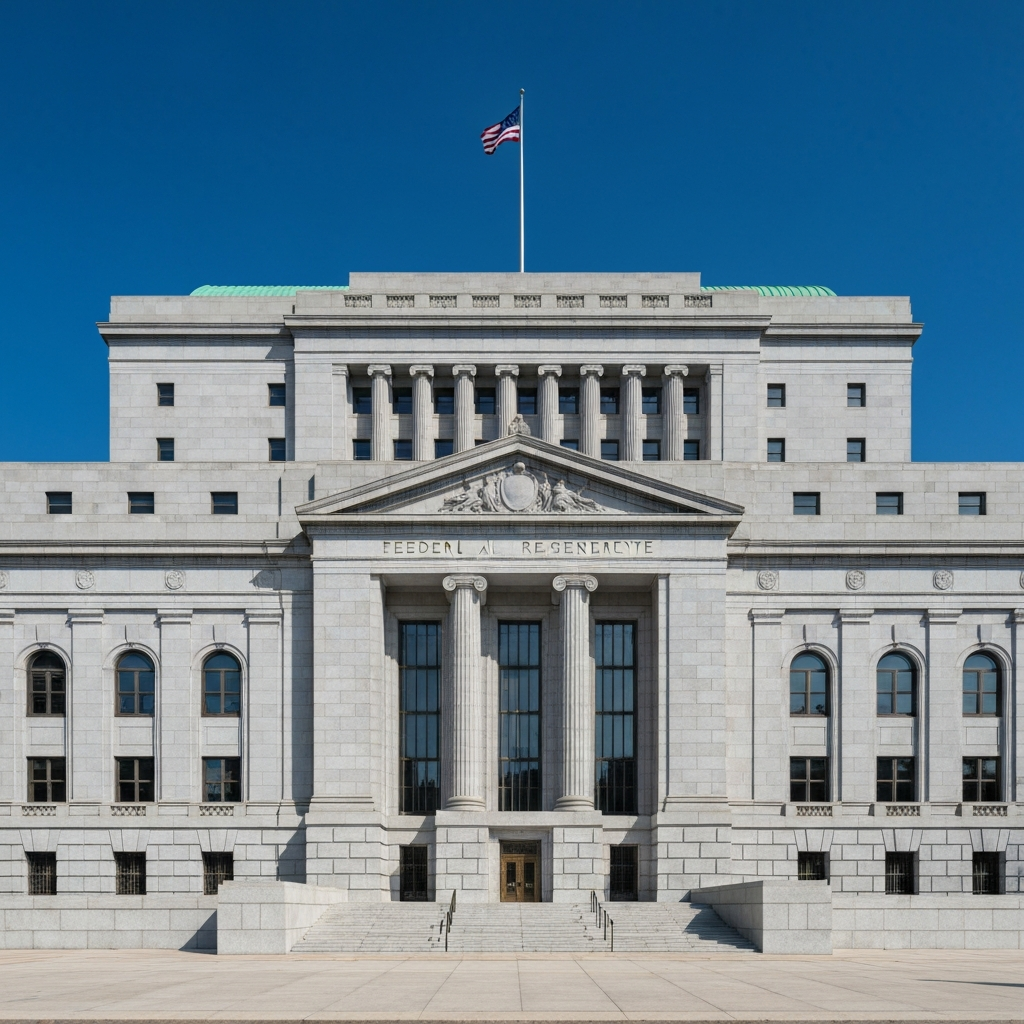
The Federal Reserve, often referred to as the Fed, serves as the central bank of the United States. Established in 1913, its primary purpose is to provide the nation with a safe, flexible, and stable monetary and financial system.
Structure and Functions
The Federal Reserve System comprises three key entities:
- Board of Governors: Located in Washington, D.C., this seven-member board oversees the entire Federal Reserve System. Members are appointed by the President and confirmed by the Senate.
- Federal Reserve Banks: Twelve regional banks located in major cities across the country, each serving a specific district.
- Federal Open Market Committee (FOMC): Responsible for setting monetary policy, particularly through open market operations.
Monetary Policy and Economic Impact
The Fed’s primary tool for influencing the economy is monetary policy, which involves managing interest rates and the money supply. By adjusting the federal funds rate—the interest rate at which banks lend to each other overnight—the Fed can influence economic activity. Lowering rates typically encourages borrowing and investment, stimulating economic growth, while raising rates can help control inflation.
For instance, in response to economic downturns, the Fed may lower interest rates to spur spending and investment. Conversely, to combat high inflation, it might raise rates to cool down the economy.
Recent Developments
In recent times, the Federal Reserve has faced challenges such as balancing economic growth with inflation control. Decisions made by the Fed have significant implications for various sectors, including housing, employment, and consumer spending.
Understanding the role and actions of the Federal Reserve is crucial, as its policies directly affect the economic environment in which we live and work.