

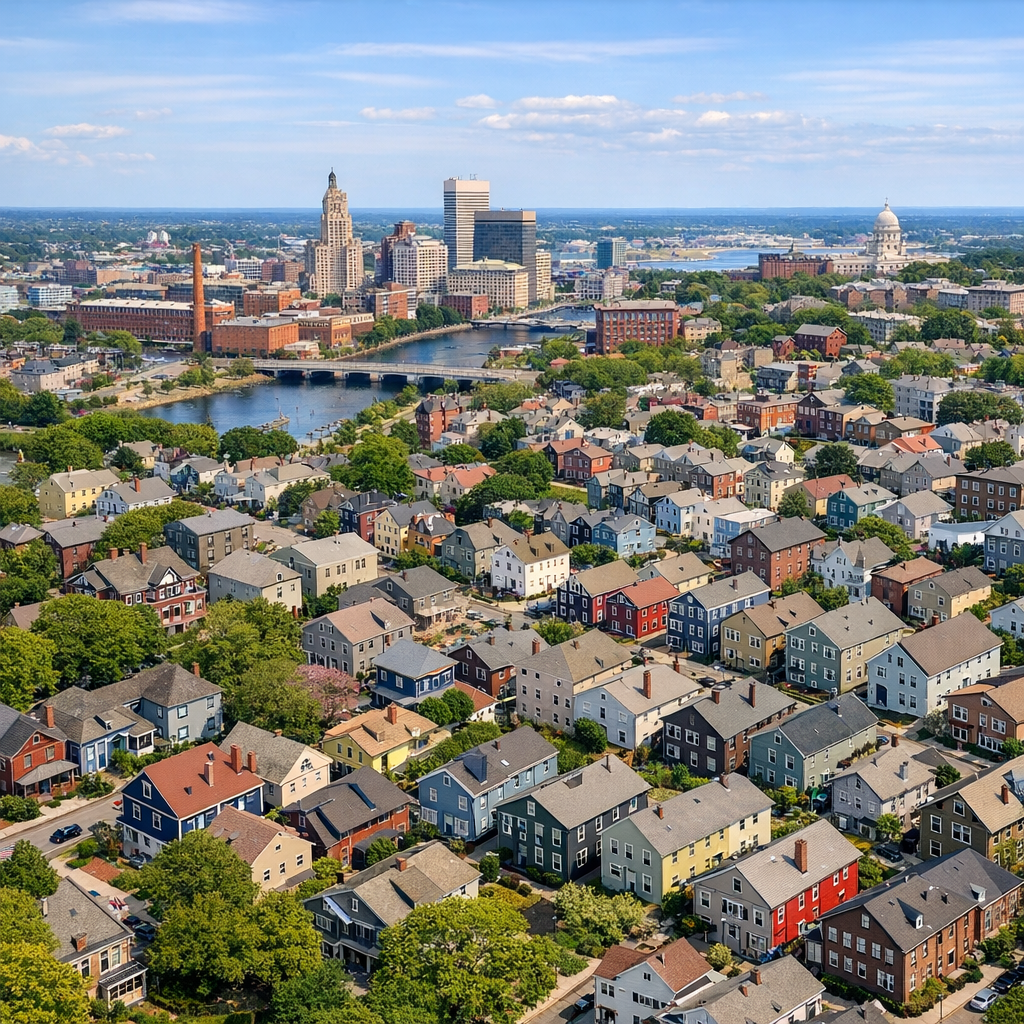
Providence continues to grapple with a significant affordable housing shortage, a challenge that has intensified in recent years. Despite various initiatives, the demand for affordable housing far exceeds the available supply, leaving many residents in precarious living situations.
Current Housing Landscape
As of late 2025, the city has made efforts to address the housing crisis. For instance, in October 2025, Providence purchased a $1.7 million plot on Washington Street to develop income-restricted housing units. This project aims to provide 68 units for households earning between 60% and 80% of the area median income, and an additional eight units for those earning below 30% of the area median income. However, these efforts are just a fraction of what’s needed to meet the city’s housing demands.
Community Impact
The housing shortage disproportionately affects low-income families and marginalized communities. In the North End, residents have expressed concerns about street safety and access to preventive health care, issues exacerbated by housing instability. The neighborhood, home to nearly 19,000 people, has become a refuge for vulnerable communities seeking affordable housing, including older adults, minorities, immigrants, and low-income families.
City Initiatives and Challenges
Mayor Brett Smiley has acknowledged the severity of the housing crisis, emphasizing that it affects the entire community. His administration is working on strategies to increase housing production and affordability. However, the complex web of regulations and the need for substantial investment pose significant challenges to rapid progress.
Community Advocacy
Community organizations and residents continue to advocate for more comprehensive solutions. In January 2026, activists gathered at the State House to demand that Governor Dan McKee declare homelessness a public health emergency, highlighting the urgent need for state-level intervention and resources.
Looking Ahead
While the city has taken steps to address the housing crisis, the path forward requires coordinated efforts between local government, community organizations, and residents. Sustainable solutions will need to focus on increasing the supply of affordable housing, protecting existing tenants, and ensuring that development projects are inclusive and equitable.