

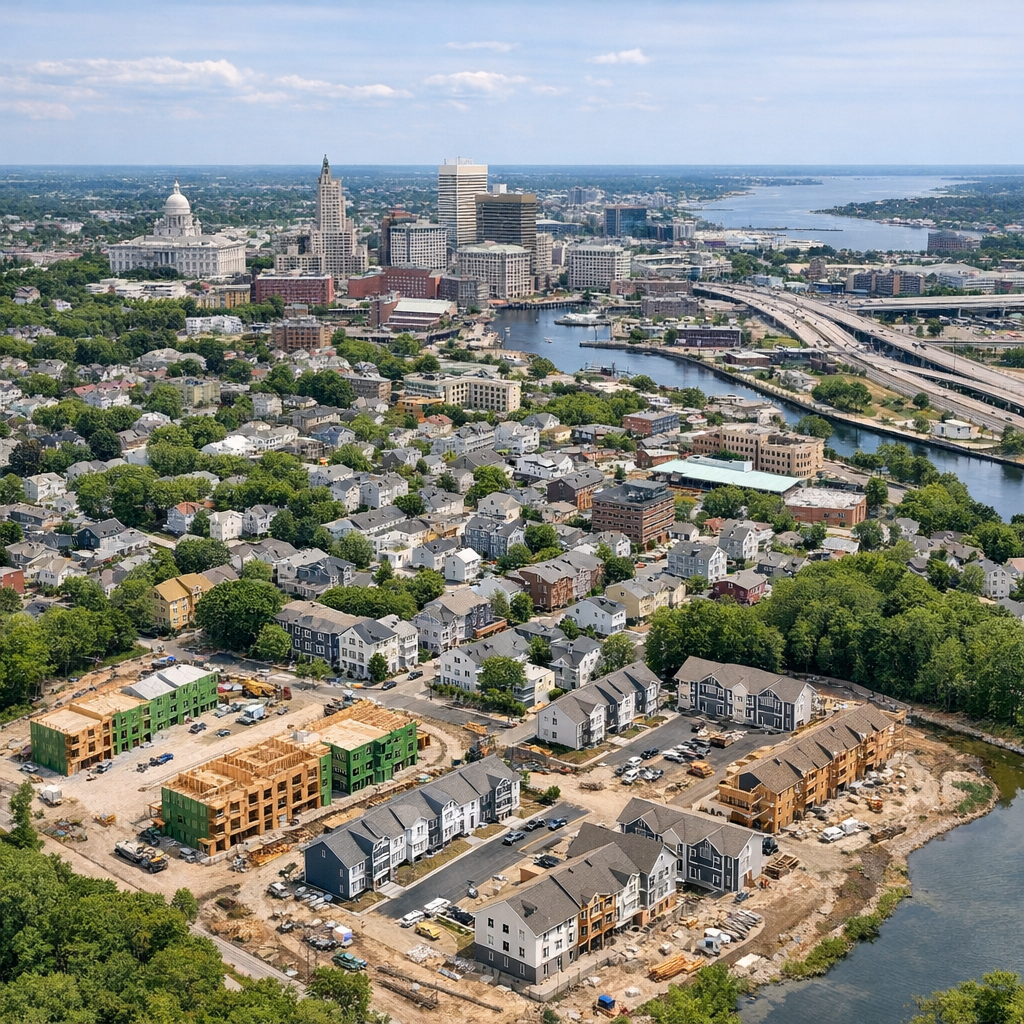
Providence continues to grapple with a significant affordable housing shortage, a challenge that has intensified over recent years. Despite various initiatives, the demand for affordable housing far surpasses the available supply, leaving many residents in precarious living situations.
Current Housing Landscape
As of late 2025, Providence had over 12,000 income-restricted units, yet this number falls short of meeting the needs of the city’s low and moderate-income households. HousingWorks reports that 37,415 households in the city earn below 80% of the area median income, highlighting a substantial gap between demand and supply. This shortage contributes to a low vacancy rate of approximately 3%, leading to inflated housing costs and increased financial strain on residents. []
City Initiatives and Challenges
In response to the crisis, Mayor Brett Smiley’s administration has prioritized the development of additional affordable housing units. In October 2025, the city purchased a $1.7 million plot on Washington Street for a new affordable housing project. This development aims to provide 68 units for households earning between 60% and 80% of the area median income, with an additional eight units for those earning below 30% of the area median income. []
However, the process of developing affordable housing is complex, involving a web of regulators and oversight bodies. Ensuring compliance with various regulations can slow down the development process, delaying the availability of much-needed housing. []
Community Impact
The housing shortage has far-reaching effects on the community. Residents face increased rent burdens, leading to financial instability and, in some cases, homelessness. The lack of affordable housing also impacts the city’s economic health, as it becomes challenging to attract and retain a diverse workforce.
Community organizations and advocates continue to push for more aggressive action to address the housing crisis. They emphasize the need for streamlined development processes, increased funding for affordable housing projects, and policies that protect existing affordable units from conversion to market-rate housing.
Looking Ahead
While the city has made strides in acknowledging and addressing the affordable housing crisis, significant challenges remain. Continued collaboration between city officials, developers, and community organizations is essential to develop sustainable solutions that meet the needs of all Providence residents.