

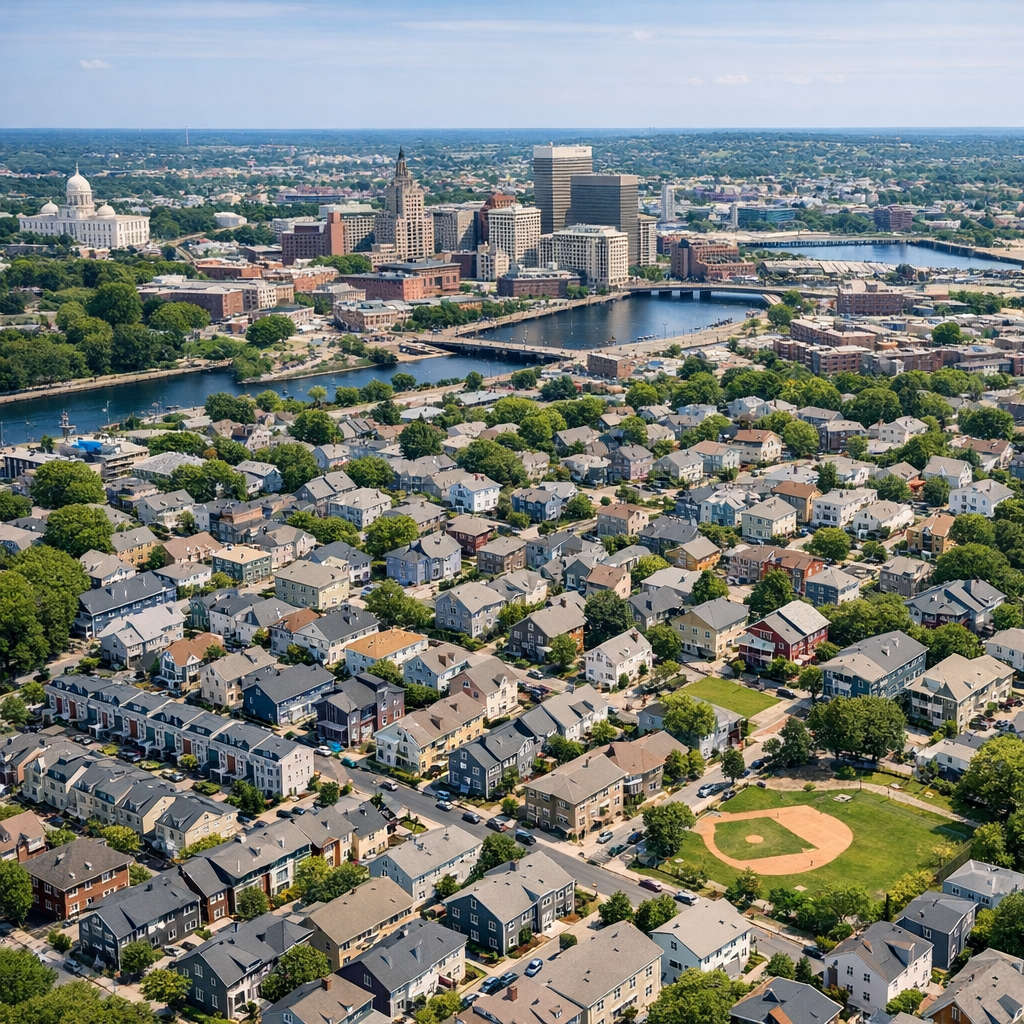
Providence continues to grapple with a significant affordable housing shortage, a challenge that has intensified over recent years. Despite various initiatives, the demand for affordable housing far surpasses the available supply, leaving many residents in precarious living situations.
Current Housing Landscape
According to HousingWorks, Providence has over 12,000 income-restricted units, yet this number falls short of meeting the needs of the city’s low and moderate-income households. The city’s low vacancy rate of 3% exacerbates the issue, leading to inflated housing prices and limited options for residents seeking affordable accommodations.
Community Initiatives and Challenges
Organizations like the West Elmwood Housing Development Corporation (WEHDC) have been at the forefront of addressing this crisis. Under the leadership of Executive Director Sharon Conard Wells, WEHDC has invested over $200 million into the community, producing more than 200 affordable housing units. However, projects often face hurdles such as funding shortages and regulatory complexities, delaying the development of much-needed housing.
Government Response
Mayor Brett Smiley has prioritized increasing housing production to alleviate the affordability crisis. The city recently purchased a $1.7 million plot on Washington Street for an affordable housing project by Lincoln Avenue Communities. This development aims to provide 76 income-restricted units, with 68 reserved for households earning between 60% and 80% of the area median income, and eight units for those earning below 30% of AMI.
Community Voices
Residents in neighborhoods like the North End have expressed concerns about the lack of affordable housing and the impact on their communities. Data indicates that many are worried about street safety and access to preventive health care, issues that are often intertwined with housing instability.
Looking Ahead
While efforts are underway to address the affordable housing crisis in Providence, the path forward requires a collaborative approach. Increased investment, streamlined regulatory processes, and community engagement are essential to developing sustainable solutions that meet the diverse needs of Providence residents.