

In an increasingly interconnected world, global events have a profound impact on local communities, including here in Rhode Island. From economic shifts to environmental challenges, understanding these influences is crucial for the state’s resilience and growth.
Economic Impacts of Global Events
Rhode Island’s economy is deeply intertwined with global markets. For instance, fluctuations in international oil prices can lead to noticeable changes at local gas stations. When geopolitical tensions disrupt oil shipments through critical passages like the Strait of Hormuz, the resulting supply chain disturbances can cause fuel prices to surge, affecting transportation costs and the price of goods statewide. This underscores the importance of monitoring global supply chain dynamics to anticipate and mitigate local economic repercussions. [Source]
Moreover, Rhode Island’s tourism sector, a significant economic driver, is influenced by international events. The upcoming FIFA World Cup matches at nearby Gillette Stadium present a unique opportunity. The state anticipates up to 1 million visitors, potentially generating an estimated $330 million in business revenue. To capitalize on this, the nonprofit organization Ocean State 2026 has been established to coordinate events and attract tourists, showcasing Rhode Island on the global stage. [Source]
Environmental Considerations
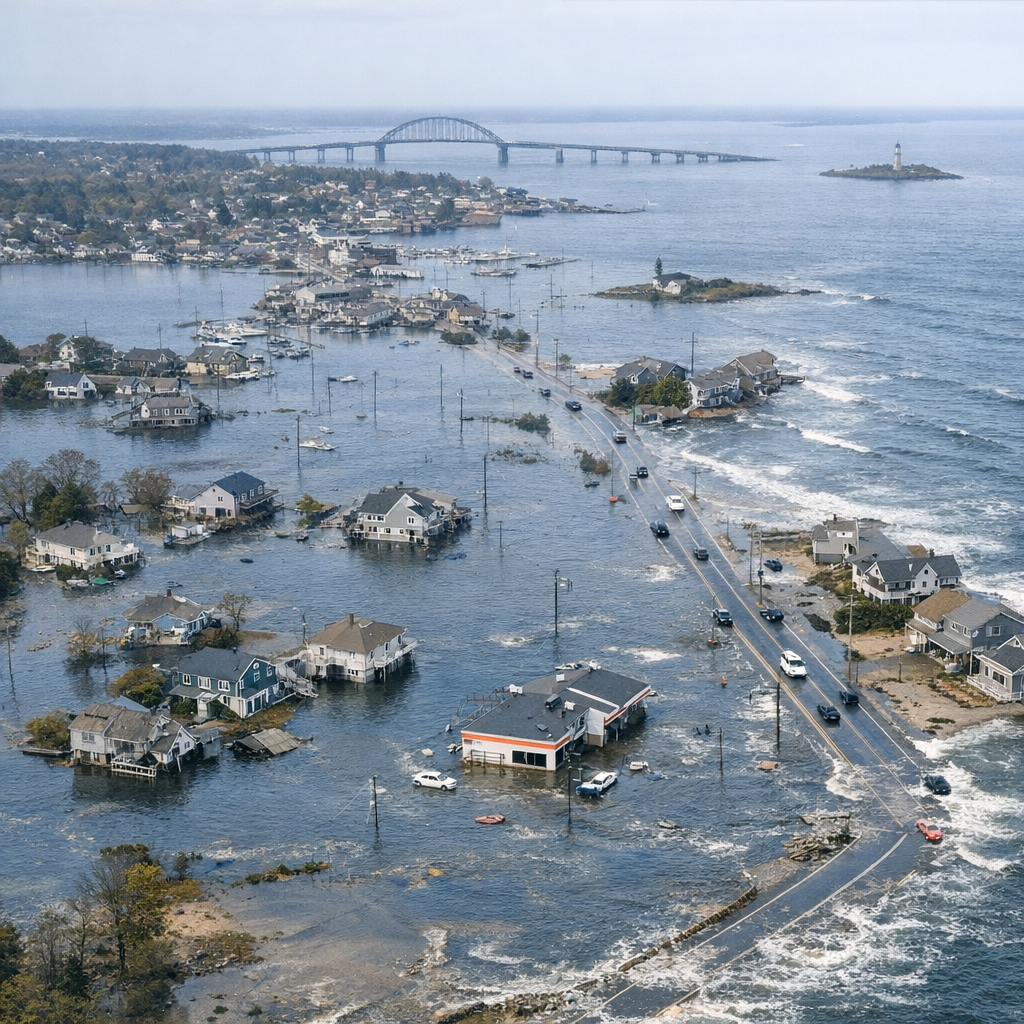
Climate change, a global phenomenon, has tangible effects on Rhode Island’s environment. The state has experienced a sea level rise of over 10 inches since the early 20th century, leading to increased coastal flooding and erosion. Events like king tides and storm surges are becoming more frequent, posing risks to infrastructure and natural habitats. Addressing these challenges requires both local initiatives and international cooperation to mitigate climate change impacts. [Source]
Looking Ahead
As global events continue to shape local realities, Rhode Island must remain proactive. By staying informed about international developments and fostering adaptive strategies, the state can navigate economic uncertainties and environmental challenges. Embracing a global perspective while focusing on local resilience will be key to Rhode Island’s sustainable future.