

In our interconnected world, global events often have direct and indirect effects on local communities. Rhode Island, with its rich maritime history and economic ties, is no exception. Understanding these impacts is crucial for residents and policymakers alike.
Economic Impacts
Global supply chain disruptions can lead to noticeable changes in local markets. For instance, geopolitical tensions affecting oil shipments through critical channels like the Strait of Hormuz can result in higher gasoline prices at Rhode Island pumps. These increases ripple through transportation and shipping sectors, ultimately affecting the cost of goods on store shelves across the state.
Additionally, international trade policies and global market fluctuations can influence Rhode Island’s export and import activities. Local businesses that rely on international partners may experience shifts in demand or supply chain challenges, emphasizing the importance of adaptive economic strategies.
Environmental Considerations
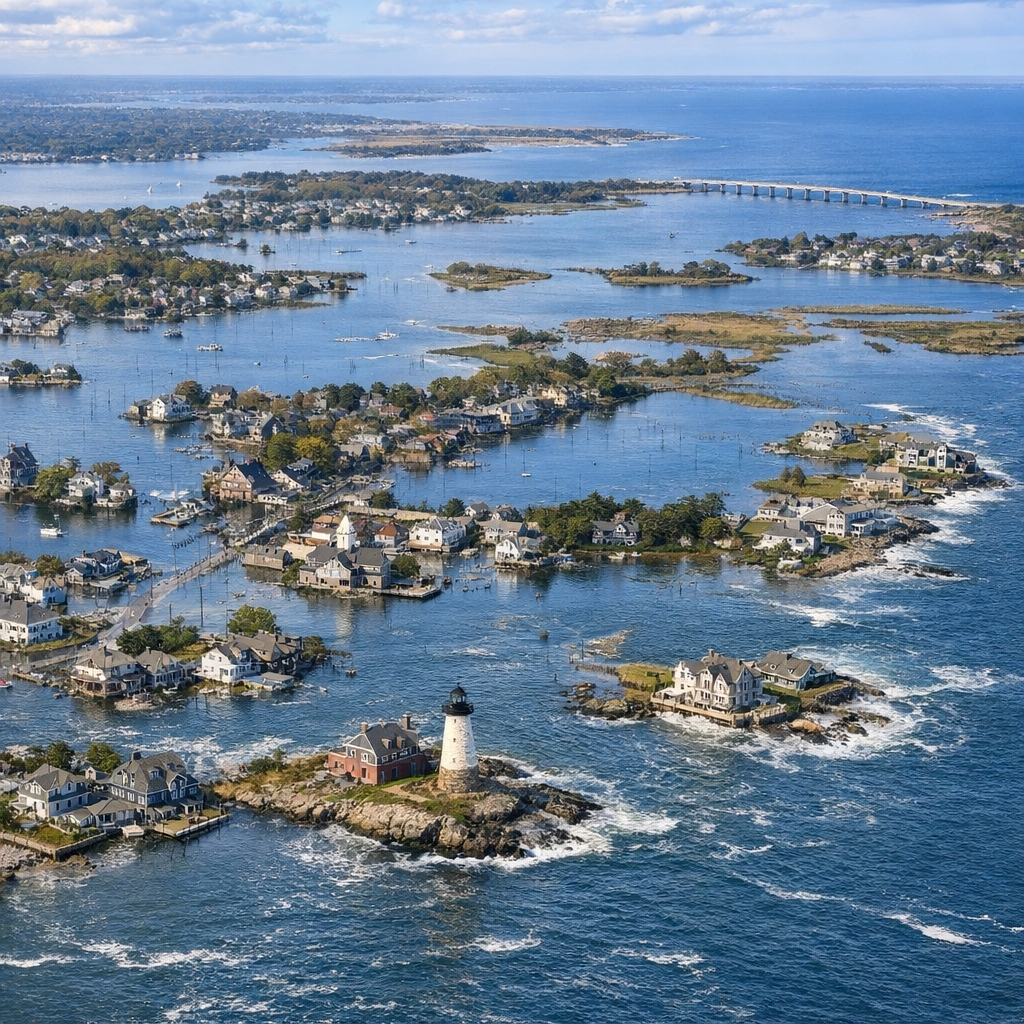
Climate change, a global phenomenon, has tangible effects on Rhode Island’s environment. The state has experienced a significant rise in sea levels over the past century, leading to increased coastal flooding risks. Events like king tides and storm surges have become more frequent, posing threats to infrastructure and natural habitats.
Moreover, changing climate patterns can disrupt local ecosystems, affecting fisheries and agriculture. Warmer ocean temperatures may alter fish migration patterns, impacting the state’s fishing industry. Similarly, shifts in precipitation and temperature can influence crop yields and the prevalence of pests.
Public Health Implications
Global health crises, such as pandemics, underscore the need for coordinated public health responses. Rhode Island has taken proactive steps by joining initiatives like the Governors Public Health Alliance, aiming to strengthen preparedness and response to health threats that transcend state and national borders.
Furthermore, international travel and trade can introduce new health challenges, necessitating vigilant monitoring and collaboration with global health organizations to safeguard the well-being of Rhode Islanders.
In conclusion, while global events may seem distant, their repercussions are often felt close to home. Staying informed and fostering resilience are key to navigating the complexities of our globalized world.