

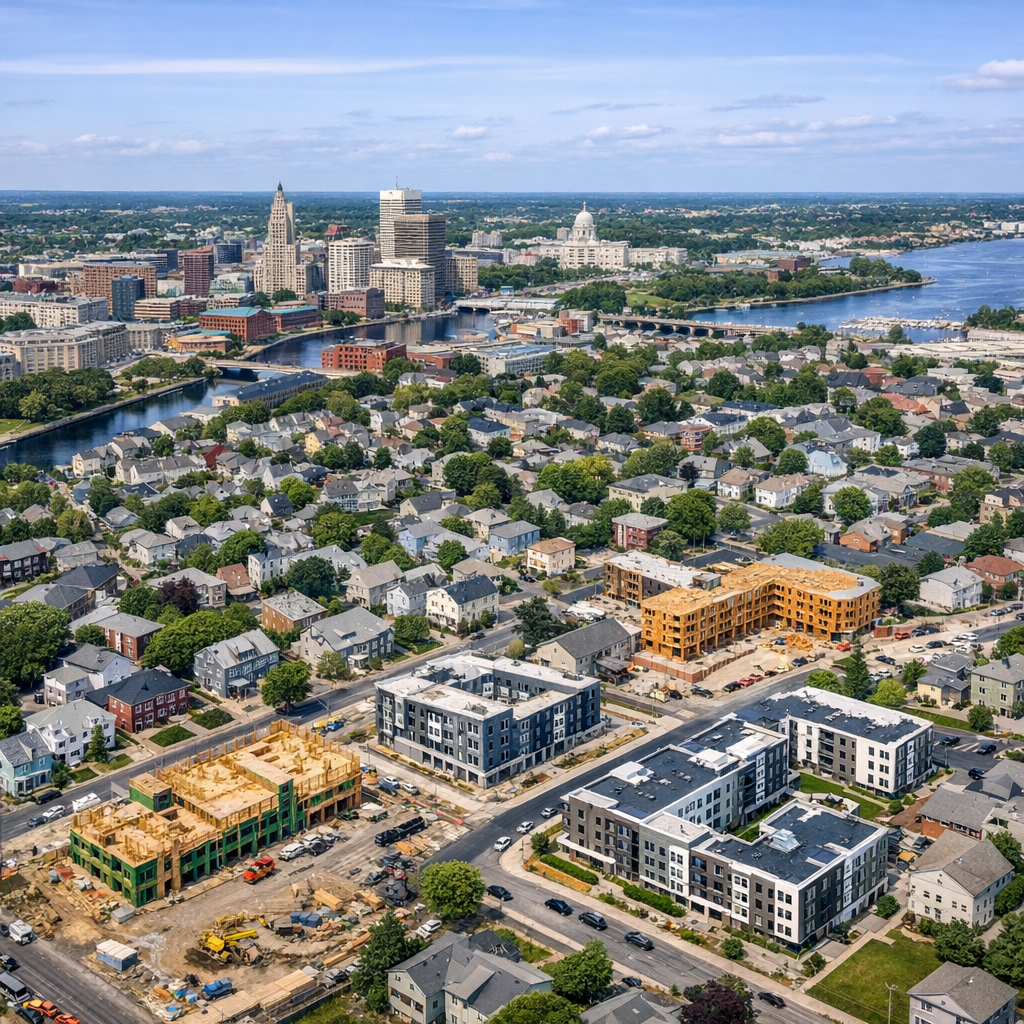
Providence continues to grapple with a significant affordable housing shortage, a challenge that has intensified in recent years. Despite various initiatives, the demand for affordable housing far exceeds the available supply, leaving many residents in precarious living situations.
Current Housing Landscape
As of late 2025, the city has made efforts to address the housing crisis. For instance, in October 2025, Providence purchased a $1.7 million plot on Washington Street to develop income-restricted housing units. This project aims to provide 68 units for households earning between 60% and 80% of the area median income, and an additional eight units for those earning below 30% of the area median income. However, these additions are insufficient to meet the needs of the city’s low-income residents. According to HousingWorks, approximately 37,415 households in Providence earn below 80% of the area median income, yet only 12,442 homes are reserved for low and moderate incomes, accounting for about 16% of the city’s housing stock. The situation is even more dire for households earning 30% or less of the area median income, with a significant shortage of available affordable housing units.
Community Impact and Response
The housing crisis has profound effects on the community, particularly in neighborhoods like the West End, which is one of the most racially and ethnically diverse areas in Providence. This neighborhood faces challenges such as high poverty rates, limited access to healthy foods, and underperforming schools. The local community development corporation, West Elmwood Housing Development Corporation, has been actively working to address these issues by investing over $200 million into the community and producing more than 200 affordable housing units. However, the demand continues to outstrip supply, highlighting the need for sustained and expanded efforts.
City Initiatives and Future Outlook
Mayor Brett Smiley has prioritized increasing housing production to alleviate the affordability crisis. Recognizing the city’s low vacancy rate of 3%, which contributes to inflated housing prices, the administration is focusing on strategies to boost the housing supply. These include streamlining regulatory processes for new developments and exploring partnerships with private developers to expedite the construction of affordable units. Despite these efforts, the complexity of regulatory frameworks and the scale of the problem pose significant challenges. The city acknowledges that a multifaceted approach, involving state and federal support, is essential to make substantial progress in addressing the affordable housing crisis.
As Providence continues to confront this pressing issue, the collaboration between government agencies, community organizations, and residents remains crucial. The path forward requires not only increasing the number of affordable housing units but also ensuring that these developments are sustainable and integrated into the broader community fabric.