
The United States economy is currently facing a complex set of challenges that are impacting consumers and businesses alike. Understanding these dynamics is crucial for navigating the present economic landscape.
Inflation and Consumer Impact
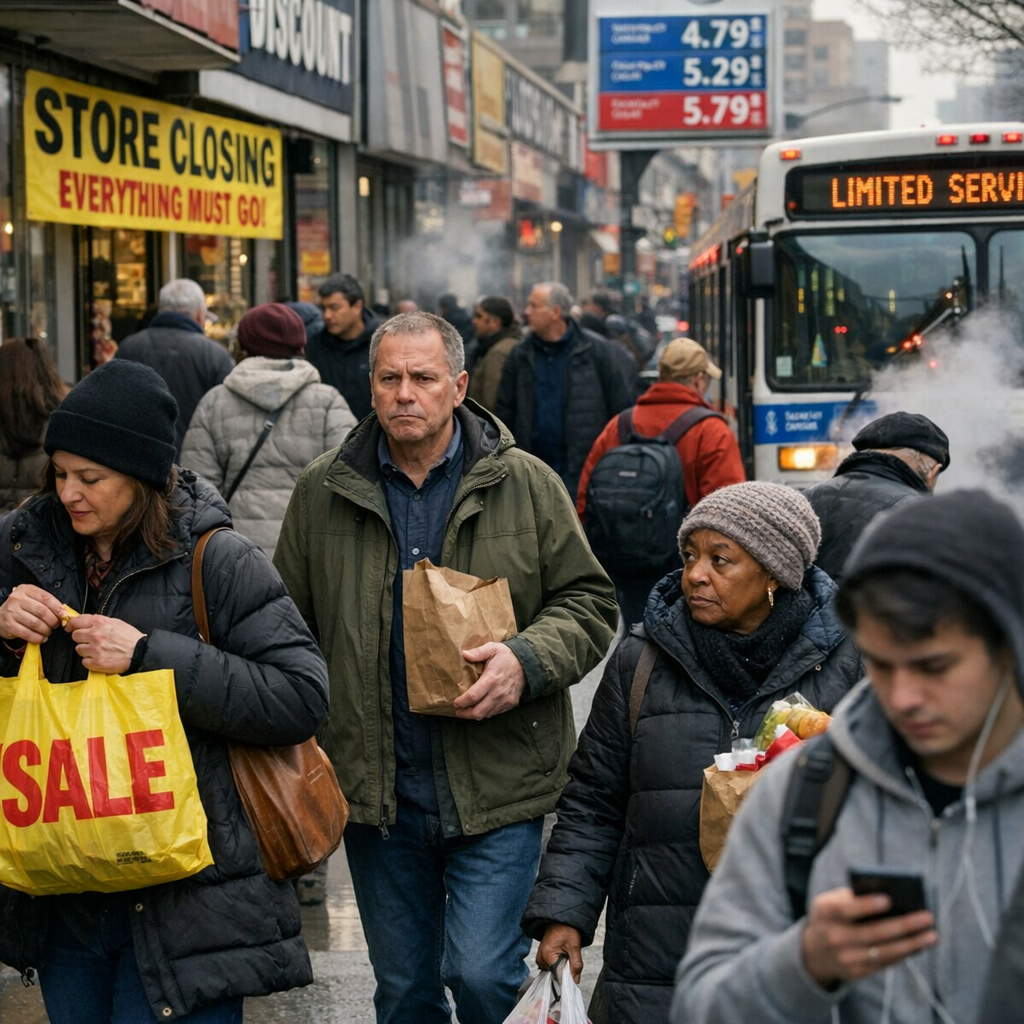
Inflation has become a significant concern, with the annual rate reaching 3.8% in April. This uptick is largely attributed to the ongoing conflict in the Middle East, which has disrupted energy markets and trade routes, leading to higher costs for goods and services. As a result, consumers are experiencing increased prices at the pump and in their daily expenses.
Employment Trends
Despite these inflationary pressures, the labor market has shown resilience. In April, U.S. employers added 115,000 jobs, indicating continued growth in employment opportunities. However, wage growth has not kept pace with inflation, leading to a decrease in real purchasing power for many workers.
Political and Economic Policies
The current administration has implemented policies aimed at addressing these economic challenges. Efforts include increasing domestic energy production to stabilize fuel prices and negotiating trade agreements to mitigate supply chain disruptions. Additionally, the Federal Reserve is closely monitoring economic indicators to inform decisions on interest rates and monetary policy.
Looking Ahead
While the economy faces headwinds, there are also opportunities for growth and stabilization. Advances in technology and infrastructure investments have the potential to drive economic expansion. Consumers and businesses are encouraged to stay informed and adapt to the evolving economic environment.